 Christopher Martinez
If you hang around “longevity Twitter” long enough, you could be forgiven for thinking that red wine, green tea, and turmeric are basically DLC for the human lifespan. All three are rich in polyphenols, a huge family of plant compounds that have become the darlings of aging research.
The hype is loud. The science is quieter, but getting more interesting every year.
This is a deep dive into what we actually know right now about polyphenols and human aging: where the evidence is strong, where it is suggestive, where it is pure wishful thinking, and what this means for real humans who eat food rather than live in petri dishes.
First, what are polyphenols?
Polyphenols are a large group of bioactive compounds made by plants. They are not vitamins or minerals, and you will not die of “polyphenol deficiency.” Instead, they act more like molecular text messages between plants and the environment – and when we eat them, they interact with our biology too.
Major families include:
- Flavonoids (quercetin, fisetin, catechins like EGCG, anthocyanins in berries)
- Phenolic acids (in coffee, whole grains, many fruits)
- Stilbenes (resveratrol in grapes, wine, peanuts)
- Curcuminoids (curcumin in turmeric)
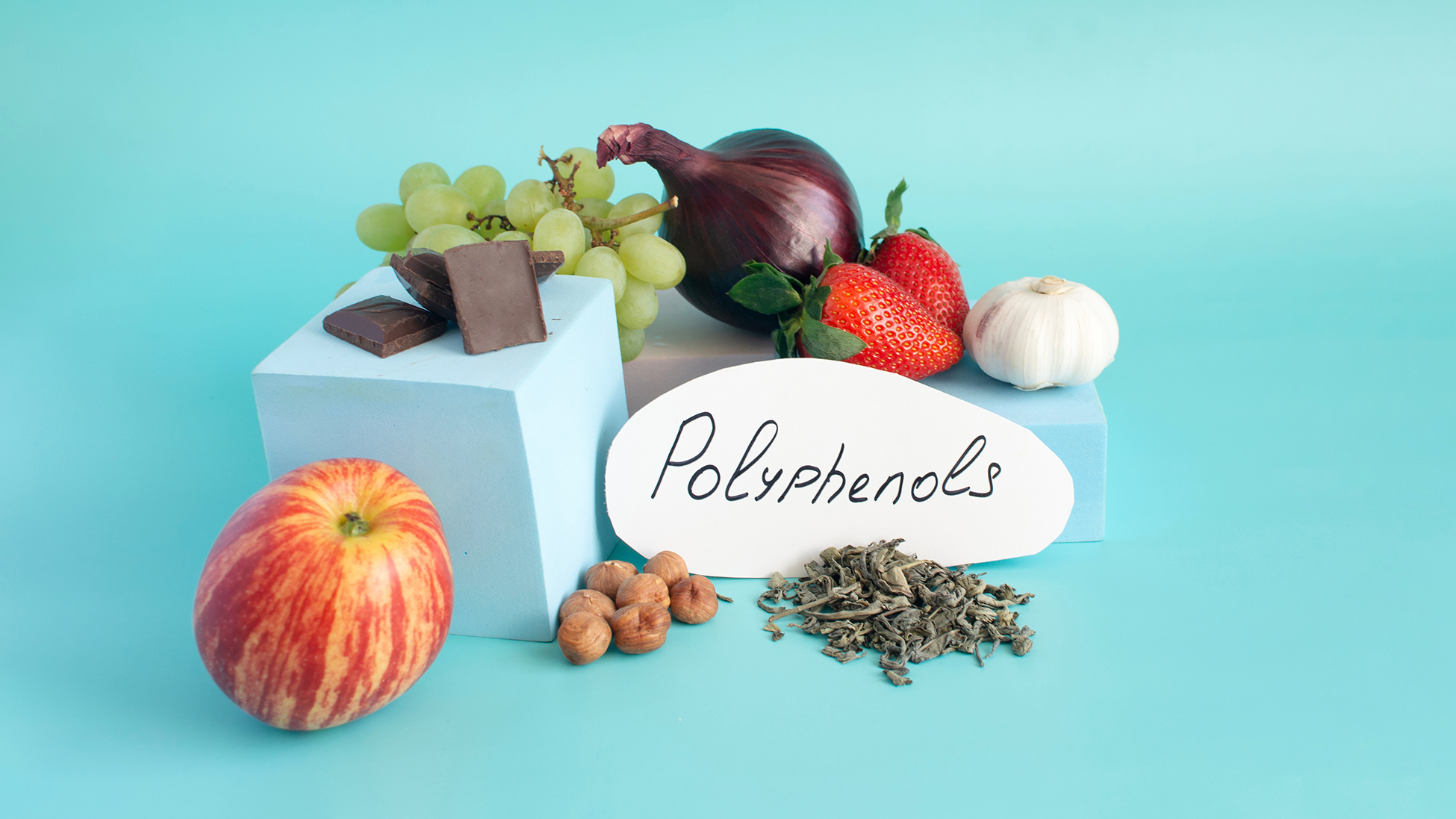
You meet them every day in berries, olives, dark chocolate, tea, coffee, spices, red onions, apples, red wine, and countless other plant foods.
The modern aging field is interested in them because they hit several “longevity pathways” that keep showing up across model organisms and human epidemiology: oxidative stress, inflammation, mitochondrial function, nutrient-sensing pathways like sirtuins and AMPK, cellular senescence, and gut microbiome composition. Recent reviews from 2024–2025 now explicitly frame dietary polyphenols as candidate “anti-aging” agents because of their effects on these hallmarks.
How aging is usually defined – and where polyphenols fit
When scientists talk about “aging,” they are not (just) talking about wrinkles. They typically mean progressive, system-wide changes such as:
- Accumulating damage from reactive oxygen species and other stressors
- Chronic low-grade inflammation (“inflammaging”)
- Mitochondrial dysfunction and poorer energy handling
- Dysregulated nutrient sensing (insulin resistance, mTOR overactivation, impaired AMPK/sirtuin signaling)
- Loss of proteostasis and increased protein aggregates
- Cellular senescence – cells that stop dividing but refuse to die, secreting inflammatory factors
Polyphenols show up in this story in several ways:
- Redox modulation rather than simple “antioxidant” action
Early on, polyphenols were marketed as antioxidants that mop up free radicals. That is technically true in a test tube but not the whole story in a human. At physiological doses, many polyphenols act as mild stressors that nudge cells to upregulate their own defense systems through pathways like Nrf2 – a hormetic effect. Recent reviews emphasize this shift from “antioxidant” to “stress-response modulator.” - Mitochondrial tuning
Polyphenols such as resveratrol and quercetin can influence mitochondrial biogenesis and function, partly through SIRT1, PGC-1α, and AMPK signaling, which are core longevity pathways in multiple species. - Anti-inflammatory and senomorphic effects
Many polyphenols dampen NF-κB signaling and other inflammatory cascades and can reduce the pro-inflammatory secretions (SASP) of senescent cells in vitro and in animals, acting as “senomorphics.” - Senolytic activity in some cases
A subset, notably fisetin and quercetin, go a step further and act as senolytics in animals – selectively triggering death in senescent cells. This moves polyphenols from “nice nutrients” into the more serious drug-like category for aging biology.
So the question becomes: do these mechanistic promises translate into measurable benefits for real people?
Do people who eat more polyphenols actually live longer?
The short answer: people who consume more polyphenol-rich foods tend, on average, to die less often and later from all causes, especially cardiovascular disease. This does not prove that polyphenols themselves are magic, but the consistency is hard to ignore.
All-cause mortality and total polyphenol intake
A 2024 systematic review and meta-analysis pooled data from observational cohorts to look at dietary polyphenol intake and all-cause mortality. Across studies, people with higher polyphenol consumption had about a 7 percent lower risk of dying from any cause compared to those with lower intake (hazard ratio ~0.93, 95 percent CI 0.91–0.95).
A 2025 Mediterranean cohort focusing on total phenolic compounds reported that low intake of phenolics was associated with significantly higher all-cause and cancer mortality, even in relatively young adults. Major contributors to between-person differences were cherries, chocolate, apples and pears, olives, and coffee – in other words, fairly normal foods, not exotic powders.
A nationwide Spanish cohort examining 23 polyphenol subgroups found that higher intake was linked with lower all-cause and cardiovascular mortality, with some specificity by class (for example, certain flavonoids and phenolic acids showed stronger associations).
And a 2025 analysis in U.S. adults with metabolic syndrome showed that higher intake of flavan-3-ols (a class found in tea, cocoa, and some fruits) was associated with lower mortality risk in this high-risk group.
These are observational data, so confounding is always a concern: people who eat more polyphenol-rich foods also tend to eat more plants in general, smoke less, move more, and care about their health. But across diverse populations and analytic styles, the direction of association is fairly consistent: more polyphenols, less death.
From a public-health point of view, a single-digit percent reduction in all-cause mortality at the population level is non-trivial. At the level of an individual, it is more like nudging probability curves than unlocking a secret level where everyone becomes a supercentenarian.
Cardiometabolic aging: blood vessels, blood sugar, and the stuff that really kills us
Cardiovascular disease and metabolic dysfunction (prediabetes, type 2 diabetes, metabolic syndrome) are some of the main routes by which aging becomes pathology. A recent 2024 meta-analysis tried to answer a very practical question: if you actually give people polyphenol supplements, do cardiometabolic risk markers budge?
The analysis included randomized controlled trials of various polyphenol supplements in the general population and concluded:
- Catechins (green tea–type flavan-3-ols) modestly lowered blood pressure by about 1.5–2 mmHg systolic and ~1 mmHg diastolic, on average.
- Anthocyanins (the pigments that make berries and purple foods brightly colored) improved several lipid parameters, including lowering LDL and raising HDL in some trials.
- Curcumin (from turmeric) improved indicators of glucose metabolism, including fasting glucose and HOMA-IR in people with metabolic disturbances.
The absolute changes were not dramatic, but they were consistent enough to suggest that polyphenols can modestly improve the cardiometabolic risk profile, especially in people starting from a suboptimal baseline.
Mechanistically, these effects likely tie back to:
- Improved endothelial function and nitric oxide bioavailability
- Reduced oxidative stress and vascular inflammation
- Better insulin sensitivity through AMPK activation and reduced ectopic fat accumulation
- Downregulation of pro-inflammatory cytokines relevant to atherosclerosis
From an aging perspective, this is exactly where you want a gentle, long-term nudge: less chronic vascular damage, more flexible arteries, better glucose control.
Brain aging and cognition: can polyphenols help you keep your keys and your stories?
Cognitive decline is one of the most feared aspects of aging, and polyphenols have been intensely studied in this space.
Observational and systematic reviews
A 2024 systematic review of observational studies found that higher dietary polyphenol intake was generally associated with slower cognitive decline and lower risk of dementia, especially when intake came from flavonoid-rich foods like berries, tea, and red wine (in moderate amounts).
Complementary reviews concentrating on polyphenol interventions (including flavonoids, curcumin, and resveratrol) conclude that polyphenol-rich foods and supplements can modestly improve cognitive performance in older adults, particularly domains like memory, executive function, and processing speed.
Specific trials: resveratrol
Resveratrol has been something of a main character in the “red wine and longevity” narrative. Human trials are not as dramatic as the mouse data, but they are not nothing.
A 14-week pilot study in postmenopausal women using low-dose resveratrol showed improvements in cerebral blood flow and some cognitive measures.
A longer-term trial (12 months) in the same population found that resveratrol (75 mg twice daily) led to sustained improvements in cerebrovascular function and cognitive performance, particularly in verbal memory and overall cognitive score, compared with placebo.
Another study in older adults found that resveratrol supplementation improved memory performance along with markers of glucose metabolism and hippocampal functional connectivity, suggesting that vascular and metabolic improvements may translate into better brain function.
The ongoing REVAMP trial (initiated in the 2020s and still relevant as of 2024) is testing 150 mg/day of resveratrol over 35 weeks in patients with asymptomatic carotid artery stenosis to see whether improving vascular function can prevent progression toward vascular cognitive impairment.
None of these trials show sci-fi levels of cognitive enhancement, but the pattern is coherent: modest improvements in vascular function and metabolic health, modest improvements in cognition, especially in populations at risk (postmenopausal women, individuals with vascular risk factors).
Curcumin and other polyphenols
A randomized double-blind trial in healthy adults aged 60–85 found that 400 mg/day of curcumin for four weeks improved sustained attention, working memory, and mood compared to placebo.
Blueberry and berry-derived polyphenol interventions have repeatedly shown small but meaningful improvements in delayed memory and executive function in older adults across several RCTs summarized in a 2023 review.
For brain aging, polyphenols seem less like smart drugs and more like maintenance crews: they reduce vascular rust, tune inflammatory signals, and support neuronal energy handling in ways that probably add up over decades.
The senolytic question: can polyphenols help remove old cells?
This is where things get especially interesting (and speculative).
Fisetin and quercetin: from plant pigments to senolytics
In mice, the flavonoids fisetin (found in strawberries, apples, onions) and quercetin (onions, apples, capers) can selectively trigger apoptosis in senescent cells at certain doses, leading to improved physical function, reduced age-related pathology, and extended healthspan.
In a 2023 preclinical study, fisetin reduced senescent cell markers and improved tissue function in aging cardiovascular models in a dose-dependent fashion, demonstrating selective effects on senescent cells while sparing non-senescent cells.
Other mouse work in 2025 highlighted fisetin’s ability to preserve strength and reduce cellular senescence in aging muscle, with intermittent high-dose regimens (for example, 50 mg/kg/day for one week, off for two weeks, then repeated) improving physical function.
Quercetin, often paired with the chemotherapy drug dasatinib in senolytic “cocktails,” has shown similar senolytic effects in animals and is now part of early-phase trials in humans.
Human senolytic trials with polyphenols
Clinical translation is still early and cautious.
- A pilot study using dasatinib + quercetin in older humans assessed effects on DNA methylation, epigenetic age, and immune cell subsets over six months. While results are still being refined, this line of work is testing whether senolytic regimens can measurably modify biological aging markers in humans, not just symptoms.
- A 2024 pilot trial in adults over 50 used fisetin 500 mg/day for one week per month over six months and measured changes in biological age using the TruAge methylation test. Early results suggested that fisetin could reduce epigenetic estimates of biological age in some participants, making this one of the first human trials to seriously ask whether a natural senolytic can shift aging biomarkers.
- Ongoing trials are evaluating fisetin and quercetin in conditions like osteoarthritis and frailty, including a 2025 RCT in knee osteoarthritis that uses fisetin as a senolytic to see whether alleviating cellular senescence in joint tissues improves pain and function.
- Another high-profile trial in premature-aging childhood cancer survivors is testing dasatinib + quercetin or fisetin to see whether these regimens can improve physical function and potentially reduce long-term risk of age-related disease.
So far, these are small, exploratory trials. They are not the kind of multi-thousand-person longevity studies we would want in an ideal universe. But they do mark an important conceptual shift: polyphenols (or polyphenol-containing regimens) are no longer being studied only as daily “tonics” but also as intermittent, drug-like senolytic pulses.
The flipside is safety: senescent cells are not purely evil. They play roles in wound healing and cancer suppression. Reviews have emphasized that indiscriminate or excessive senolysis could impair immune memory or tissue repair, so dosing and targeting matter.
If you picture polyphenols as the Avengers, senolytics are the version where they also occasionally break the city while saving it. You want strategy, not just power.
Mechanistic “greatest hits”: how polyphenols touch core longevity pathways
Across 2024–2025 reviews that integrate animal, cellular, and human data, several mechanisms keep recurring:
- Redox signaling and hormesis
At physiologic doses, polyphenols often induce a mild increase in reactive oxygen species that, in turn, activates Nrf2 and other transcription factors. That upregulates endogenous antioxidant systems (glutathione, SOD, catalase), enhancing resilience rather than merely neutralizing free radicals one by one. - Mitochondrial biogenesis and metabolic flexibility
Compounds such as resveratrol and quercetin can activate SIRT1 and AMPK, leading to increased PGC-1α activity and mitochondrial biogenesis. This has been linked to better mitochondrial function, energy metabolism, and endurance in models of metabolic and cardiac aging. - Improved endothelial function
Multiple human trials with resveratrol, flavan-3-ols, and grape/berry extracts show improved flow-mediated dilation (a measure of endothelial function), lower arterial stiffness, and improved cerebrovascular responsiveness, which line up with better cardiovascular and cognitive outcomes. - Anti-inflammatory and immunomodulatory effects
Polyphenols dampen pro-inflammatory cytokines (IL-6, TNF-α) and NF-κB signaling, shift macrophage phenotypes toward more reparative states, and modulate microglial activation in the brain. This connects directly to “inflammaging” and neuroinflammation. - Senomorphic and senolytic actions
Some polyphenols reduce the SASP, others selectively clear senescent cells under specific conditions, potentially decompressing tissue-level inflammation and fibrosis. - Microbiome interactions
Polyphenols are often extensively metabolized by gut microbes into smaller, bioactive compounds, and in turn shape microbial composition. This bidirectional relationship likely explains part of the variability in response among individuals and adds another layer to the “food as a system-level intervention” idea.
Together, these mechanisms support the intuition that polyphenols are not working via a single magic receptor. They are nudging multiple aging-related networks just enough, over a lifetime, to change trajectories.
Not all polyphenols are created equal – what’s actually most relevant right now?
From the current human and translational evidence, some clusters stand out as particularly relevant to aging:
- Resveratrol and related stilbenes
Good human data for vascular and cognitive endpoints, including longer-term RCTs in postmenopausal women and ongoing trials in vascular cognitive impairment and carotid stenosis. Effects are modest but consistent, and mechanistic plausibility is strong. - Flavan-3-ols (tea, cocoa)
Cohort-level mortality associations plus RCT evidence for blood pressure, vascular function, and some cognitive domains, particularly with cocoa and grape/blueberry extracts. - Anthocyanins (berries, purple foods)
Repeatedly linked to better cardiometabolic risk markers and cognitive function in RCTs and observational data, with a relatively benign safety profile. - Curcumin and curcuminoids
Evidence for improved glucose metabolism, reduced systemic inflammation, and small but meaningful cognitive and mood benefits in older adults. Bioavailability is a concern, which is why most trials use specialized formulations. - Senolytic flavonoids (fisetin, quercetin)
Strong preclinical data for senolysis and healthspan extension, with early human pilot and Phase I/II trials probing effects on biological age, frailty, osteoarthritis, and long-term health in high-risk populations. This is by far the most “direct anti-aging” angle, but also the one where safety and dosing questions are still active.
Think of the first four groups as chronic, food-compatible “terrain shapers” and the senolytics as intermittent, more pharmacological tools that just happen to be derived from plants.
Food vs capsules: how much does the delivery format matter?
Almost all the mortality and dementia-risk data come from dietary patterns, not high-dose supplements. That matters.
- People in cohorts are not taking isolated fisetin megadoses; they are drinking coffee, eating fruit, vegetables, olives, and modest amounts of chocolate and wine.
- The matrix of fiber, other phytochemicals, and macronutrients affects how polyphenols are absorbed and how the microbiome processes them.
- For some compounds (such as curcumin), bioavailability from food alone is low, which is why supplements often use enhanced formulations in trials.
A 2024–2025 wave of reviews repeatedly emphasizes that polyphenol-rich dietary patterns (Mediterranean-like, plant-forward diets) are associated with lower risk of age-related chronic disease and improved functional outcomes, while supplement trials show more targeted, modest effects on specific biomarkers.
So if the question is “how do I eat in a way that leverages polyphenols for healthy aging?”, the answer looks boringly sane: a diet rich in colorful plant foods, coffee or tea if tolerated, extra virgin olive oil, nuts, berries, herbs, and spices.
If the question is “should I take high-dose fisetin or quercetin senolytic stacks?”, the answer is much less settled and drifts toward “only inside a well-designed clinical trial or under specialist guidance,” at least for now.
Where the hype gets ahead of the data
Given the volume of mechanistic work and the growing number of supplement brands, it is easy to slide into overclaiming. A few reality checks:
- No human trial has yet shown that polyphenols extend maximum lifespan in the way caloric restriction does in certain animals. What we see instead are improved risk factors, modest improvements in function, and epidemiological hints of reduced mortality and disease incidence.
- Dose and timing matter. Several studies indicate U-shaped dose–response curves, where low to moderate intakes are beneficial but very high doses can be neutral or even harmful, especially for compounds with pro-oxidant potential at high concentrations.
- Interactions are real. Polyphenols can affect drug metabolism (for example, by modulating cytochrome P450 enzymes) and platelet function; high-dose supplements may interact with anticoagulants, chemotherapies, and other medications.
- Senolytics are powerful tools, not wellness gummies. While preclinical data are thrilling, reviews point out that clearing senescent cells indiscriminately could impair tissue repair or immune memory, particularly if regimens are poorly designed or chronic instead of intermittent.
If we imagine the longevity field as still being in Season 2 of a long-running series, polyphenols are main cast members, but we are nowhere near the finale where everything is neatly resolved.
So, what does a reasonable, evidence-informed strategy look like?
For a broad audience thinking about polyphenols and aging, a pragmatic interpretation of the current science looks something like this:
- Anchor in dietary patterns, not hero molecules.
Align your everyday eating with patterns that naturally deliver high polyphenol density: lots of vegetables, fruits (especially berries and cherries), legumes, whole grains, herbs and spices, tea or coffee, cocoa, extra virgin olive oil, and a modest, optional amount of red wine if alcohol is appropriate for you. - Think about polyphenols as “supporting cast” to core longevity behaviors.
Exercise, sleep, stress management, and not smoking move the needle far more than any supplement. Polyphenols seem to potentiate these fundamentals: better vascular health makes exercise more effective, better metabolic flexibility buffers poor sleep, and so on. - Use supplements surgically, where evidence is strongest.
- For cardiometabolic risk or mild cognitive concerns, standardized preparations of resveratrol, flavonoid-rich extracts, or curcumin may offer small additive benefits, especially when layered on top of a solid lifestyle.
- For senolytic strategies (fisetin/quercetin-based), the signal is promising but still early, especially for long-term outcomes. Those are best treated as experimental therapeutics rather than DIY protocols.
- Respect individuality.
Differences in gut microbiome composition, liver enzyme activity, and baseline diet mean that not everyone will respond the same way to the same polyphenol intake. This is one reason the field is slowly moving toward more personalized, biomarker-guided approaches. - Stay updated without chasing every headline.
High-quality reviews from 2024–2025 already synthesize hundreds of papers showing that polyphenols play a multi-layered role in mitigating age-related decline, especially for cardiovascular, metabolic, and cognitive outcomes, and now increasingly through senotherapeutic mechanisms.
If aging is, in part, the slow fraying of our internal maintenance systems, polyphenols look less like miracle cures and more like subtle system administrators. They do not rewrite the operating system, but they tweak stress responses, update security patches, clean out some corrupted files, and occasionally help decommission the cells that have become more liability than asset.
In other words: not immortality in a pill, but a plausible, mechanistically grounded way to tilt the odds toward a longer, healthier run – especially when combined with the other unglamorous things that we already know work.
References
- Davinelli, S., Medoro, A., Hu, F. B., & Scapagnini, G. (2025). Dietary polyphenols as geroprotective compounds: From Blue Zones to hallmarks of ageing. Ageing Research Reviews, 108, 102733. https://doi.org/10.1016/j.arr.2025.102733
- Godos, J., Micek, A., Mena, P., Del Rio, D., Galvano, F., Castellano, S., & Grosso, G. (2024). Dietary (poly)phenols and cognitive decline: A systematic review and meta-analysis of observational studies. Molecular Nutrition & Food Research, 68(1), e2300472. https://doi.org/10.1002/mnfr.202300472
- Lee, E., & Burns, M. (2024). The effects of fisetin on reducing biological aging: A pilot study. Alternative Therapies in Health and Medicine, 30(9), 6–10. PMID: 39269340
- Liu, Y., Fang, M., Tu, X., Mo, X., Zhang, L., Yang, B., Wang, F., Kim, Y.-B., Huang, C., Chen, L., & Fan, S. (2024). Dietary polyphenols as anti-aging agents: Targeting the hallmarks of aging. Nutrients, 16(19), 3305. https://doi.org/10.3390/nu16193305
- Lorenzo, E. C., Torrance, B. L., & Haynes, L. (2023). Impact of senolytic treatment on immunity, aging, and disease. Frontiers in Aging, 4, 1161799. https://doi.org/10.3389/fragi.2023.1161799
- Mérida, D. M., Vitelli-Storelli, F., Moreno-Franco, B., Rodríguez-Ayala, M., López-García, E., Banegas, J. R., Rodríguez-Artalejo, F., & Guallar-Castillón, P. (2023). Polyphenol intake and mortality: A nationwide cohort study in the adult population of Spain. Clinical Nutrition, 42(7), 1076–1085. https://doi.org/10.1016/j.clnu.2023.05.020
- Neri Numa, I. A., Soriano Sancho, R. A., Wolf, K. E., Corrêa da Silva Miranda, C. T., Soares, S. D., de Souza Lima, A., & Pastore, G. M. (2025). Polyphenols, aging, and health: What can we expect from the food industry in the technology era? Frontiers in Medicine, 12, 1671886. https://doi.org/10.3389/fmed.2025.1671886
- Thaung Zaw, J. J., Howe, P. R. C., & Wong, R. H. X. (2020). Sustained cerebrovascular and cognitive benefits of resveratrol in postmenopausal women. Nutrients, 12(3), 828. https://doi.org/10.3390/nu12030828
- Vázquez-Ruiz, Z., Toledo, E., Vitelli-Storelli, F., Bes-Rastrollo, M., & Martínez-González, M. Á. (2025). Effect of dietary phenolic compounds intake on mortality in the “Seguimiento Universidad de Navarra” (SUN) Mediterranean cohort. European Journal of Nutrition, 64(2), 70. https://doi.org/10.1007/s00394-025-03581-5
- Wan, S., Luo, J., Zhu, Y., An, P., Luo, Y., & Xing, Q. (2024). The effect of antioxidant polyphenol supplementation on cardiometabolic risk factors: A systematic review and meta-analysis. Nutrients, 16(23), 4206. https://doi.org/10.3390/nu16234206
- Wong, K. H. M. C., Pipingas, A., & Scholey, A. B. (2015). Investigation of the effects of solid lipid curcumin on cognition and mood in a healthy older population. Journal of Psychopharmacology, 29(5), 642–651. https://doi.org/10.1177/0269881114552744
- Yousefzadeh, M. J., Zhu, Y., McGowan, S. J., Angelini, L., Fuhrmann-Stroissnigg, H., Xu, M., Ling, Y. Y., Melos, K. I., Pirtskhalava, T., Inman, C. L., McGuckian, C., Wade, E. A., Kato, J. I., Grassi, D., Wentworth, M., Burd, C. E., Arriaga, E. A., Ladiges, W. L., Tchkonia, T., … Niedernhofer, L. J. (2018). Fisetin is a senotherapeutic that extends health and lifespan. EBioMedicine, 36, 18–28. https://doi.org/10.1016/j.ebiom.2018.09.015
- Zhang, W., Zhou, Q., Yang, W., Tan, X., Xu, Y., & Yi, Z. (2025). Relationship between dietary flavan-3-ols intake and mortality in metabolic syndrome population; a large cohort study. Frontiers in Nutrition, 12, 1572189. https://doi.org/10.3389/fnut.2025.1572189
- Zupo, R., Castellana, F., Lisco, G., Corbo, F., Crupi, P., Sardone, R., Panza, F., Lozupone, M., Rondanelli, M., & Clodoveo, M. L. (2024). Dietary intake of polyphenols and all-cause mortality: A systematic review with meta-analysis. Metabolites, 14(8), 404. https://doi.org/10.3390/metabo14080404